
Catching Disease Before It Spreads: How Sulys Found Its Fit in Aquaculture
By the time disease is confirmed on an aquaculture farm, producers may already be playing catch-up.
Sulys wants to change that.
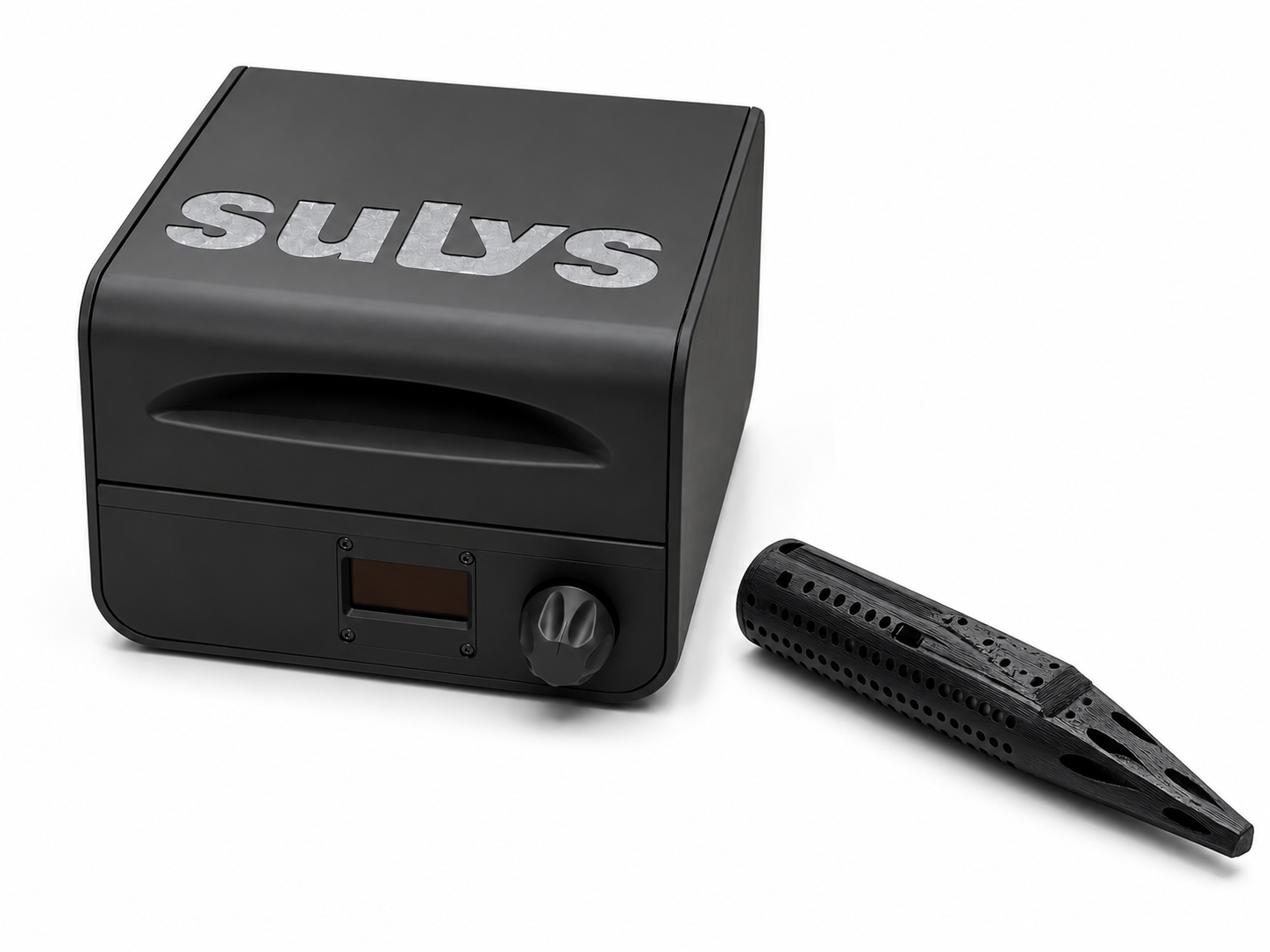
The Québec-based startup is developing a rapid, on-site pathogen monitoring platform designed to give salmonid farmers earlier warning of disease outbreaks. Combining passive environmental DNA, or eDNA, water sampling, a portable field reader and decision-support software, Sulys is working to pinpoint when and where an outbreak is starting and give farmers more time to act.
It’s a sharply defined problem for a company that did not start out in aquaculture at all.
When Sulys first connected with the Ocean Startup Project, the company was still in its early stage and had just completed its first environmental biosurveillance pilots in lakes and rivers. The technology worked and the problem was real. But founder and CEO Louis-Philippe Noel had encountered a fundamental barrier.
“We had a working solution and a real problem, but we realized there was no willingness to pay, the market simply wasn't there,” he said.
Rather than continue down the same path, the team began looking at another opportunity emerging around its technology. Aquaculture presented a potentially much stronger fit, but Sulys did not want to pivot on instinct alone.
The need was significant. Infectious disease is one of the leading causes of mortality and economic loss in aquaculture, while pathogen testing can rely on centralized lab analysis that reports results after damage has already occurred. Sulys saw an opportunity to bring that detection directly to producers.
For Noel, however, there was no single moment when the path forward suddenly became obvious.
“There wasn't a single dramatic moment. It came out of repeated conversations with people in the aquaculture sector who kept telling us how big and unaddressed the disease problem really was.”
Those conversations gave the team a reason to look more closely, but customer discovery gave them the confidence to change direction.
“We saw the fit between that need and our technical background, and decided to test it properly through the Ocean Startup Idea program. That deeper customer discovery is what confirmed it for us: this was a real problem with a real solution, and there was genuine product market fit,” Noel said.
That validation became the foundation for Sulys’ pivot into aquaculture.
Its beachhead market is salmonid producers, particularly in Eastern Canada, but the longer-term vision is broad: bringing rapid pathogen detection to aquaculture producers globally, across species and regions where disease outbreaks pose a threat.
Breaking into a new sector also meant building a new network. That is where the Ocean Startup Project played a supporting role in helping Sulys move from recognizing an opportunity to establishing itself within the industry.
“The biggest difference came from the connections OSP made for us within the aquaculture sector. Building a network in a new domain after a pivot is hard, and those introductions were key to building momentum and validating that the pivot was the right call.”
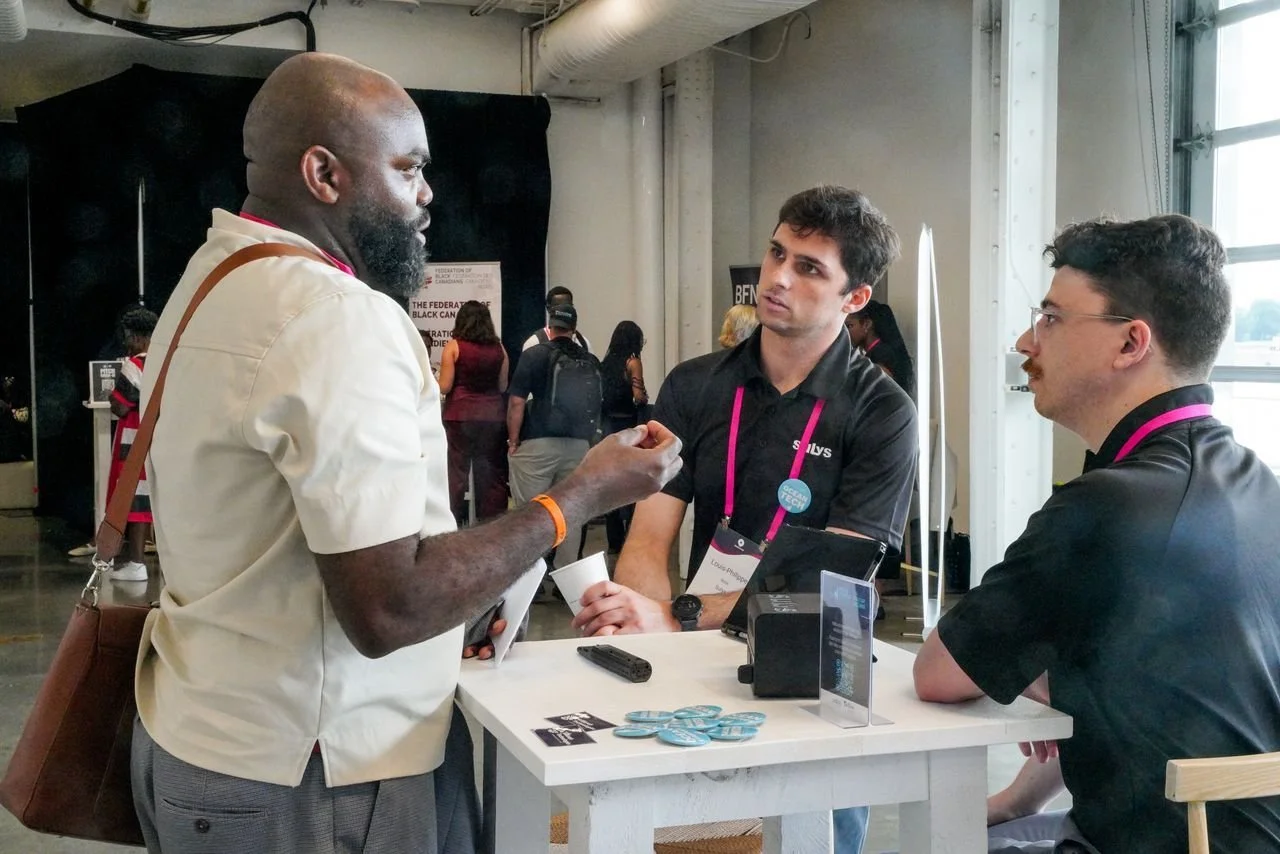
Funding through the program allowed Sulys to develop its first minimum viable product — a detection box and dashboard — and showcase it at an industry event alongside the OSP team. The company has since built its first working prototype and secured non-dilutive R&D funding to continue advancing the technology.
The next milestone will take Sulys beyond prototype development and into commercial environments.
“We're preparing for our first farm pilots, moving from prototype to real-world validation with producers in Canada,” he said.
For Noel, the journey has reinforced a lesson that can be difficult for early stage founders to follow when opportunities, uncertainty and the pressure to generate revenue are all competing for attention.
“Stay focused. As a startup, you'll get pulled toward every opportunity that comes your way, especially early on when revenue and the future feel uncertain, but chasing everything is a mistake. Find your niche and your product market fit, then stick to the plan.”
Sulys found that focus by being willing to question an early market, listen closely to an unfamiliar industry and validate a new direction before committing to it.
Now, the company is working toward what Noel describes as, “a future where farmers can catch a disease outbreak before it happens, not after.”
Learn more about Sulys and its work to advance rapid pathogen detection in aquaculture at https://www.sulys.ca.